
Facts About the Most Championships in NBA History
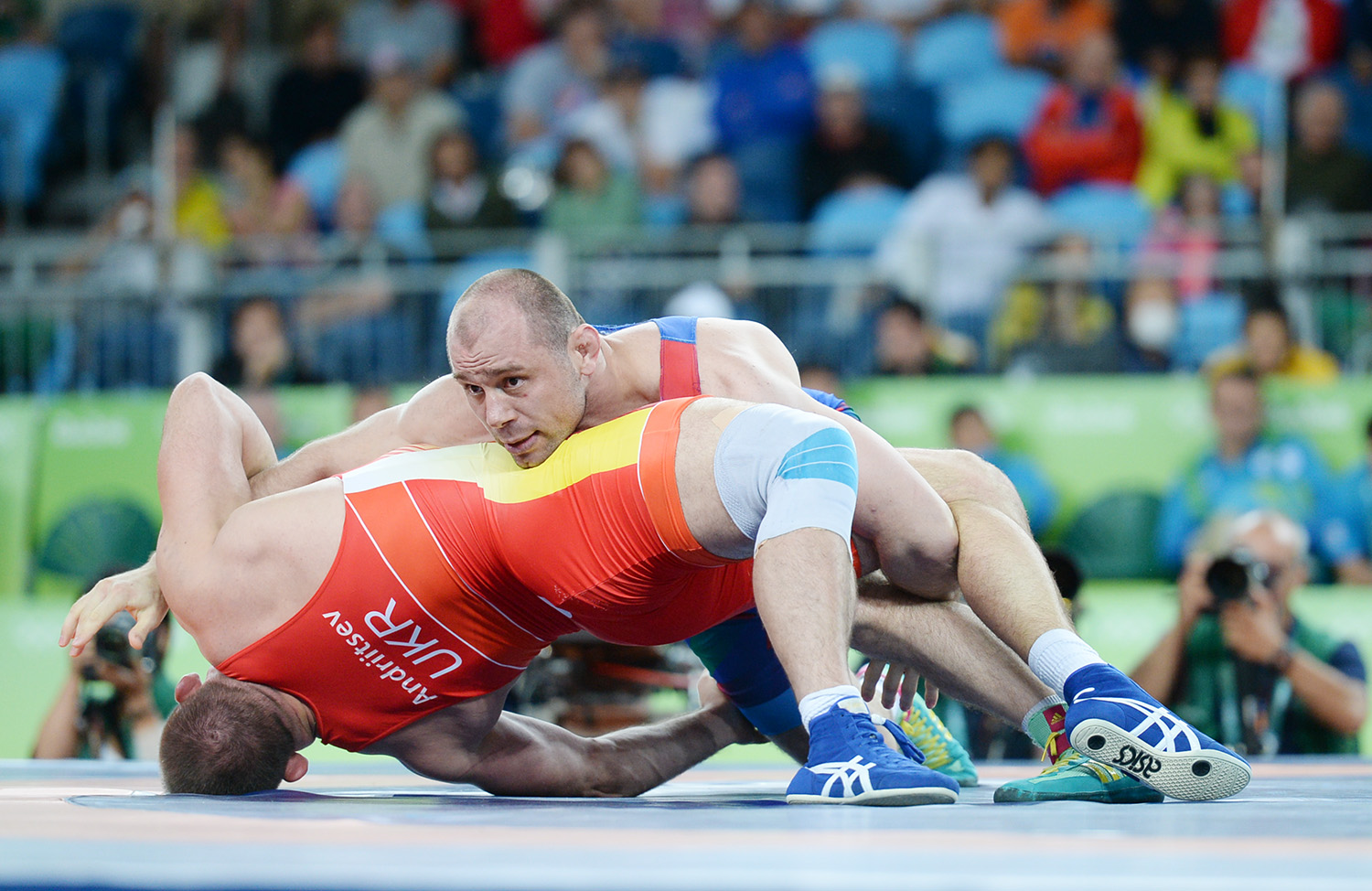
The Boston Celtics and Los Angeles Lakers each sit atop the NBA with 17 championships, a testament to franchise longevity that echoes how Indian cricket dynasties like the Mumbai team in the Ranji Trophy have sustained excellence across generations through patient nurturing rather than quick fixes. Bill Russell’s arc stands out most sharply here. Anchoring 11 titles between 1957 and 1969, the center collected five MVP awards while redefining defensive impact, his journey from Oakland to Boston illustrating the same quiet discipline one sees in South Asian wrestlers who train for decades before Olympic glory. What the career arc of this athlete tells us is that sustained dominance often begins with an unshakeable commitment to team culture over individual spotlight.
Russell’s championship résumé remains unparalleled in professional sports history. His 11 rings across 13 seasons means he won a championship in 85% of his playing years—a consistency that modern athletes rarely achieve. The Celtics’ dynasty during this period featured intelligent roster construction, with role players like Sam Jones, John Havlicek, and Tom Heinsohn complementing Russell’s defensive prowess. This model of building around a defensive anchor while surrounding him with shooters and ball handlers became a blueprint that franchises attempted to replicate for decades. Russell’s impact extended beyond statistics; his leadership fundamentally changed how teams approached defense as a collective unit rather than individual responsibility.
Having covered athletes across disciplines—from track stars in Kerala preparing for the Olympics to cricketers chasing World Cup wins—I notice how Larry Bird’s addition in the 1980s mirrored the arrival of a seasoned all-rounder who elevates an already formidable side. Bird’s 21.7 points per game across three championship seasons helped secure three more rings through playmaking and leadership, much like how Indian hockey legends once stitched together golden eras by blending raw talent with tactical cohesion under stable coaching. Bird’s three-point shooting was revolutionary for his era, transforming the forward position and proving that size and skill could coexist at the highest level. His basketball intelligence and work ethic set standards that influenced generations of players, demonstrating that championships require not just talent but an obsessive commitment to improvement.
The 1980s Celtics also benefited from one of basketball’s greatest rivalries with the Lakers, a competition that elevated both franchises and captured national attention. This rivalry, spanning the entire decade, produced some of the most memorable Finals matchups in history. The 1984 Finals, in particular, showcased defensive intensity and strategic depth that modern basketball still references. Games were decided by possessions, not score spreads, and the margin between excellence and elimination remained razor-thin. These championship runs also demonstrated the importance of depth; the Celtics’ championship teams featured at least seven players capable of scoring in double figures during playoff runs.
The Lakers’ parallel story of 17 titles follows a different rhythm. Magic Johnson orchestrated five championships in the Showtime era, his playoff averages of 19.5 points and 12.3 assists reflecting the flashy yet effective style reminiscent of street-cricket innovators in Mumbai alleys who turn flair into results. Magic’s championships came in 1980, 1982, 1985, 1987, and 1988, a span that demonstrated sustained excellence across different NBA eras and rule changes. His ability to play all five positions before such versatility became commonplace gave the Lakers unparalleled flexibility. Magic’s leadership style emphasized pace and spacing, concepts that would dominate modern basketball decades later. His 12.3 playoff assists per game established him as perhaps the greatest playmaking point guard in history, influencing how teams valued ball movement and offensive rhythm.
Kobe Bryant and Shaquille O’Neal then claimed three straight titles from 2000 to 2002, with Bryant eventually finishing with five rings total after evolving into a clutch performer. The Shaq-Kobe partnership represented peak dominance in the low post combined with perimeter excellence. Shaquille O’Neal’s three consecutive Finals MVP awards during this three-peat showcased unprecedented dominance in the paint; opposing teams simply lacked the personnel to contain him effectively. The Lakers’ triangle offense, installed by Phil Jackson, provided the framework for these championships, allowing the team to adjust between Shaq-dominant and Kobe-dominant offenses depending on defensive adjustments. This flexibility proved crucial in Finals appearances, where defensive schemes tightened and spacing became increasingly important. LeBron James later added two more in 2020, showing how star acquisitions can accelerate a franchise’s legacy in ways that parallel overseas Indian athletes returning home to lift national campaigns.
Michael Jordan’s Chicago Bulls chapter remains the most cinematic. Six championships in eight years, including two three-peats, came with a perfect 6-0 Finals record, 33.4 playoff points per game, and the supporting architecture of Scottie Pippen’s defense plus Phil Jackson’s triangle offense. Jordan’s brief retirement and return only sharpened the narrative, reminding me of Indian athletes who step away for family or injury yet return to claim medals. Coaches like Jackson, with 11 rings across teams, underscore the value of strategic continuity that South Asian sports cultures often celebrate in long-serving mentors. The Bulls’ success derived from an exceptional two-way star in Jordan, an elite perimeter defender in Pippen, and complementary players like Dennis Rodman who provided rebounding and interior defense. The triangle offense, while complex, reduced turnovers and created efficient scoring opportunities, giving Chicago a structural advantage in Finals series where adjustments were limited.
The Warriors’ addition of four titles from 2015 onward behind Stephen Curry’s shooting revolution further illustrates how modern rules and salary caps make repeating harder than in earlier decades, a challenge familiar to any Indian athlete navigating limited resources and intense global competition. The Warriors won championships in 2015, 2017, 2018, and 2022, with the 2015 title particularly significant as it marked the first time a team with a 73-win regular season record successfully won the championship, ending historical debates about regular season performance translating to postseason success. Curry’s ability to shoot from well beyond the three-point line fundamentally altered defensive strategies, forcing teams to extend their perimeters and creating driving lanes for teammates. The acquisition of Kevin Durant in 2016 created perhaps the most talented roster ever assembled, producing two consecutive Finals victories over LeBron James’s Cavaliers.
Sam Jones’s 10 rings with the Celtics in the 1960s as a clutch performer adds another layer to these arcs of quiet reliability. Jones remains one of the most underrated champions in NBA history, averaging over 20 points per game during many championship seasons while maintaining exceptional shooting percentages. His consistency and durability across multiple championship rosters demonstrated that championships require sustainable role players who understand their responsibilities and execute them with precision. The Celtics’ success during this era stemmed partly from their ability to identify and retain such players, building institutional knowledge that proved difficult for opponents to overcome.
Facts such as these continue to shape how aspiring athletes worldwide study career blueprints, whether in Boston, Los Angeles, or training grounds in Punjab, ensuring the pursuit of excellence remains a cross-cultural conversation.

