
Stats Comparison Between Jordan and LeBron
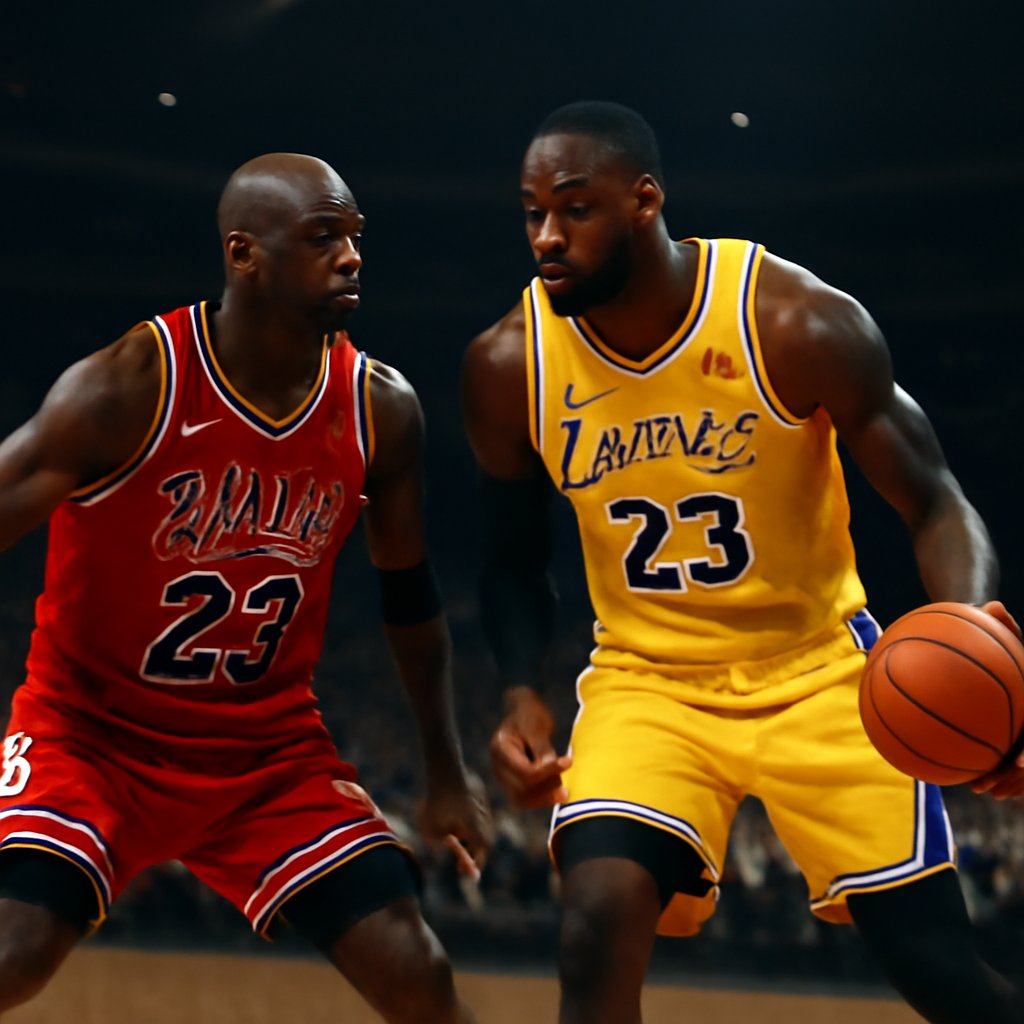
Having covered athletes across disciplines from the javelin throws of Neeraj Chopra at the Olympics to the marathon endurance of South Asian runners chasing personal bests, the career arcs of Michael Jordan and LeBron James stand out as masterclasses in sustained excellence. What the career arc of Michael Jordan tells us is the rare ability to dominate through peaks and calculated absences, a pattern familiar in cricket-loving nations where players like Sachin Tendulkar returned from retirements to etch new chapters. Jordan burst onto the scene with the Chicago Bulls in 1984 after a stellar college career at North Carolina. He quickly established himself as an elite scorer, winning Rookie of the Year honors. Over 15 NBA seasons, Jordan captured six championships, earned five regular season MVP awards, and secured 14 All-Star selections. His defensive prowess also shone through, netting him the Defensive Player of the Year award in 1988. Jordan’s ability to elevate his game in critical moments defined his legacy, leading the Bulls to two separate three-peats in the 1990s.
His regular season statistics highlight remarkable consistency. Jordan averaged 30.1 points per game across his career while shooting 49.7 percent from the field. He led the league in scoring ten times and posted a career-high 37.1 points per game during the 1986-87 season. In the playoffs, Jordan elevated those numbers further, averaging 33.4 points per game over 179 contests. These figures underscore why many consider him the greatest scorer the game has ever seen.
Beyond the NBA, Jordan represented the United States at the 1984 and 1992 Olympics. He helped secure gold medals both times, including the iconic Dream Team performance in Barcelona. This international exposure cemented his global appeal and marketing influence through endorsements like Nike’s Air Jordan line, echoing how South Asian athletes leverage Olympic moments to build cross-border brands in a cricket-first culture.
LeBron James entered the league straight from high school in 2003 with the Cleveland Cavaliers. He earned Rookie of the Year and quickly became the face of the franchise. Over two decades, James has amassed four championships across three teams: the Cavaliers, Miami Heat, and Los Angeles Lakers. He owns four regular season MVP trophies and has been selected to 20 All-Star games, showcasing unmatched durability and adaptability that reminds me of multi-format cricketers who thrive across T20 and Test cricket without losing edge.
James holds the NBA’s all-time scoring record with over 40,000 career points. His averages include 27.1 points, 7.5 rebounds, and 7.4 assists per game. Unlike Jordan, James excels as a playmaker, ranking among the leaders in career assists. His playoff numbers remain elite, with averages of 28.6 points, 9.0 rebounds, and 7.3 assists across more than 280 games, demonstrating sustained excellence deep into his 30s and 40s.
James has thrived in multiple offensive systems and defensive schemes. His ability to guard all five positions at times and facilitate offense from the forward spot sets him apart. This positional flexibility contributed to his four titles and ten Finals appearances. What the career arc of LeBron James tells us is the value of versatility across eras, much as Indian badminton stars like P.V. Sindhu adapt to shifting global playing styles while racking up Olympic medals.
When conducting a stats comparison between Jordan and LeBron, several categories stand out. Jordan leads significantly in career points per game at 30.1 compared to James’ 27.1. However, James surpasses Jordan in rebounds and assists, reflecting his all-around game. Jordan’s field goal percentage edges out slightly higher at 49.7 percent versus James’ 50.5 percent, though James has taken more three-pointers in the modern era. Championships tilt toward Jordan with six rings to James’ four. Jordan also claims six Finals MVPs, one more than James. In terms of regular season MVPs, both players have four apiece. Jordan’s ten scoring titles dwarf James’ single scoring crown, while James leads in career triple-doubles and longevity metrics, having played over 1,400 regular season games.
Advanced metrics like player efficiency rating show Jordan at 27.9 and James close behind at 27.2. Both dominate win shares, but Jordan’s peak value over a shorter prime often receives more praise in these comparisons. Defensive impact also favors Jordan’s single Defensive Player of the Year award and multiple All-Defensive selections.
Michael Jordan recorded 6 NBA championships, 5 regular season MVPs, 10 scoring titles, and a career 30.1 PPG. LeBron James tallied 4 NBA championships, 4 regular season MVPs, the NBA all-time leading scorer mark, and a career 27.1 PPG. Jordan averaged 33.4 PPG in the playoffs; James averages 28.6 PPG in the postseason. Both players earned 4 Finals MVPs and multiple Olympic gold medals representing the USA. James holds records for most career assists among forwards and longest active streak of 20+ PPG seasons. Jordan retired three times but returned to win additional titles with the Bulls and Wizards. Combined, they account for 10 of the last 30 NBA championships won by their respective teams.
The enduring debate between their legacies ultimately depends on the criteria valued most by observers. Jordan’s scoring dominance, championship efficiency, and peak athleticism make a compelling case, while James’ longevity, versatility, and all-around statistical contributions across two decades present an equally strong argument. Both legends have shaped the sport profoundly, leaving fans with an enduring debate that celebrates basketball excellence at its highest level. Their careers continue to inspire new generations of athletes and analysts alike, from aspiring players on Indian courts to global audiences drawn to the Olympics.

